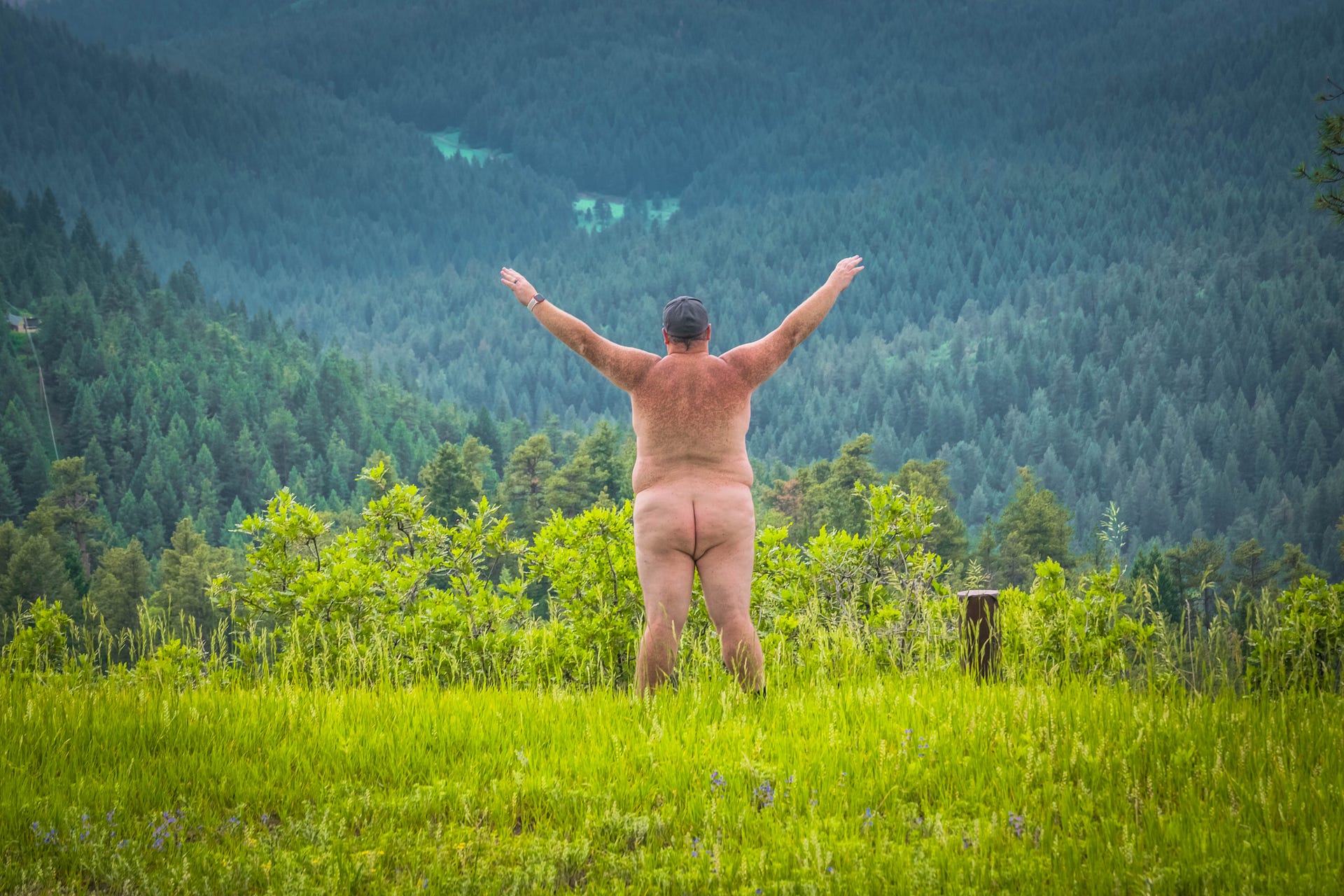



We live in a world that is increasingly mediated through layers. We interact through screens, we present ourselves through carefully curated digital avatars, and we move through the physical world encased in textiles that signal our status, our jobs, and our social tribes. This constant layering creates a subtle but persistent sense of alienation. We are rarely just bodies in space. Instead, we are walking billboards for our own identities.
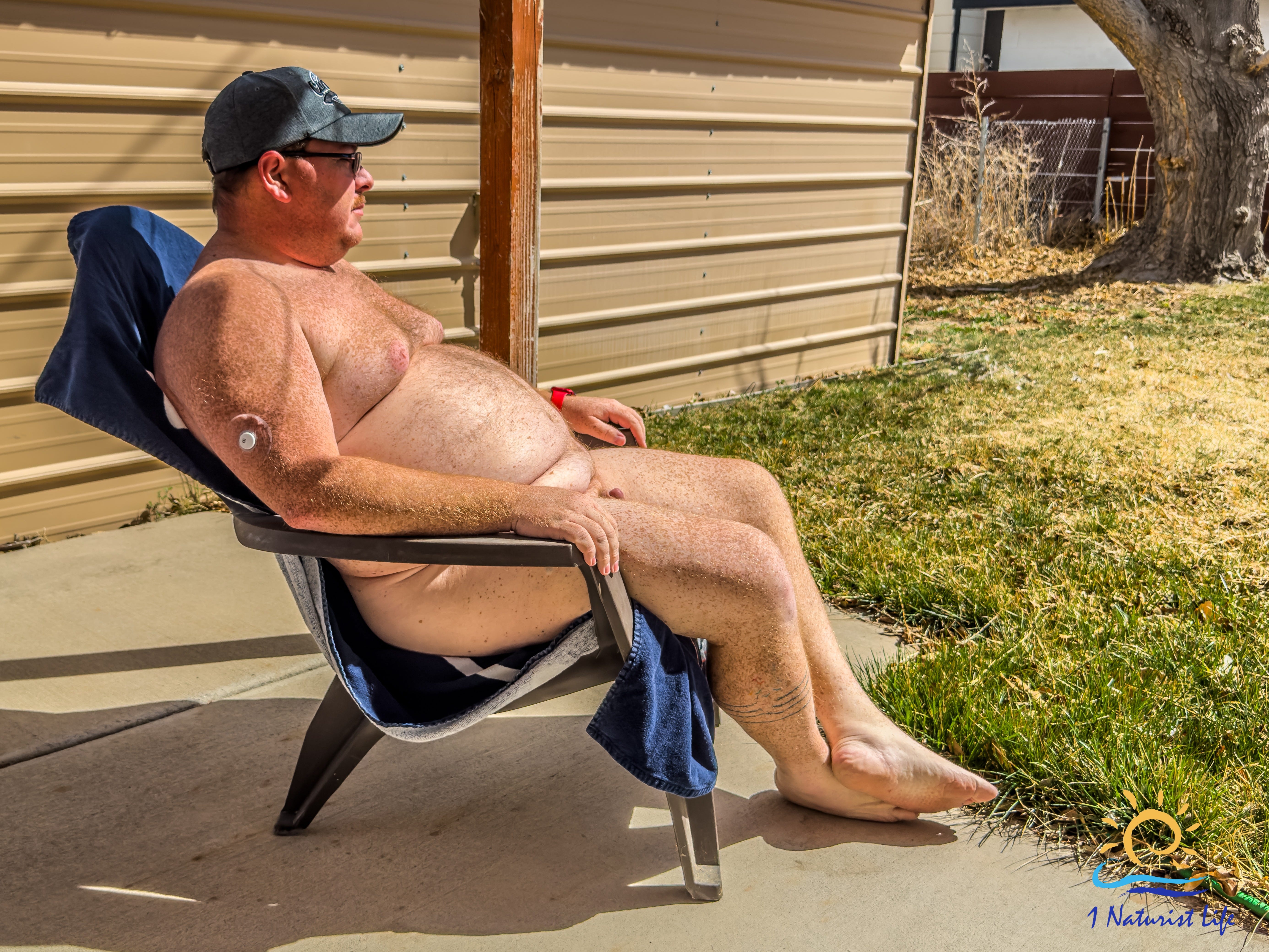
When we talk about naturism, the conversation usually shifts toward the “naturist lifestyle.” This phrasing suggests a totalizing commitment, an all or nothing immersion into a subculture defined by its lack of clothing. For the average person, this feels like an extreme leap. However, if we reframe naturism not as a lifestyle but as a practice, it becomes something far more functional. It becomes a tool for grounding, much like meditation, breathwork, or forest bathing.
By treating naturism as a periodic practice, we allow ourselves a chance to return to a biological baseline. It is a way to peel back the social performance and remember what it feels like to be a human being without the constant hum of societal expectations.
Why we need to reframe naturism as a practice
When people hear the word “naturist,” they often imagine gated colonies or specific ideologies. But viewing naturism solely as a lifestyle makes it feel inaccessible. Just as you do not need to live in a monastery to benefit from ten minutes of silence, you do not need to move to a commune to benefit from the grounding effects of being naked in nature.
In our current era, we are constantly “on.” Practicing naturism is a way to hit the mute button on that performance. It is a deliberate choice to remove the barriers between the self and the environment. As author and advocate Frances Carr once noted, “Naturism is not about looking at others, it is about feeling yourself in the world.”
When you remove the “lifestyle” label, the stakes drop. You are no longer “joining a movement.” Instead, you are engaging in a form of sensory restoration. This shift in perspective allows for a more fluid integration into modern life. You can be a professional, a parent, and an active member of society who occasionally chooses to spend an afternoon entirely unencumbered as a way to reset your nervous system.
The sensory science of grounding and the skin
The concept of “earthing” or grounding suggests that physical contact with the Earth can reduce stress and improve sleep. While the data is still evolving, the psychological benefit of removing the barrier between your body and the environment is hard to deny. Our skin is our largest organ, and it is packed with sensory receptors that spend most of their existence muffled by cotton, polyester, and wool.
When we remove our clothes in a natural setting, the skin is suddenly exposed to air currents, sunlight, and temperature shifts. This flood of sensory input forces us out of our heads and back into our bodies. It is a “bottom up” approach to mental health. Rather than trying to think our way out of anxiety, we use the physical environment to pull our attention back to the present moment.
“The human body is the only thing we truly own, yet it is the thing we spend the most time hiding and apologizing for.” — Nanda Devi
By treating naturism as a periodic practice, we remove the pressure of “body positivity” and replace it with “body neutrality.” Body positivity often requires a high level of emotional labor, essentially forcing yourself to love every curve or scar. Body neutrality, on the other hand, is the recognition that your body is a functional vessel. In a natural setting, your skin is not an aesthetic choice; it is a functional interface with the world. You aren’t there to celebrate your physique. You are there to exist as a biological entity.
Overcoming the psychological barriers to being bare
The primary obstacle for most people is the deeply ingrained “shame reflex.” From a young age, we are taught that nakedness is either inherently sexual or inherently private. This creates a psychological tension where we feel vulnerable the moment our clothes are removed. However, practicing naturism in a safe, intentional way can actually help desensitize this shame reflex.
When you are alone in nature or in a designated clothing optional space, the initial “exposure anxiety” usually fades within fifteen to twenty minutes. What follows is a profound sense of relief. You realize that the world does not end, and the sky does not fall, simply because you are bare. This realization has a carryover effect into the rest of your life. It builds a quiet confidence and a sense of resilience. If you can be comfortable in your own skin without any of the protections of fashion, you tend to feel more grounded when you put those clothes back on.
Finding a middle ground in a structured world
If you want to integrate this into your life without making it your entire personality, the key is intentionality. You do not need to go to a massive resort. It could be a private garden, a remote trail where you know you have total privacy, or a quiet section of a beach.
The goal is to return to a baseline. We spend so much of our lives curated and covered. Taking an hour to simply be, without the signifiers of status or the physical constraints of waistbands and collars, is a profound act of mental hygiene. It serves as a reminder that we are part of the natural world, not just observers of it.
Naturism doesn’t have to be a club you join. It doesn’t have to be a political statement or a rebellion against society. It can simply be a place you go to remember who you are when nothing is expected of you. It is a return to the self in its simplest, most honest form. When you eventually dress and return to the digital world, you do so with a clearer head and a body that feels more like home.
Dustin, this is a thoughtful and refreshing take. Thank you for putting it so clearly.
I’ve lived the naturist "lifestyle" for many years, embracing it fully as a way of being whenever possible: at home, on trails, at beaches, in communities. For me, nudity isn’t occasional; it’s the default that brings the deepest sense of alignment, freedom, and joy. That said, I completely get and respect your point. Not everyone is ready (or wants) to make it their whole identity, and framing naturism strictly as a “lifestyle” can feel like a high bar that shuts people out before they even try it.
Reframing it as a practice, like those ten minutes of breathwork, a short walk in the woods, or earthing barefoot, lowers the entry point without diluting the power. From my own experience and what I’ve seen in others, even periodic nudity delivers real benefits: that quick drop in nervous-system noise, the way skin wakes up to air and sun, the subtle confidence boost that lingers long after you dress again.
The beauty is that both views can coexist. For some of us, the practice naturally evolves into a lifestyle because the feeling is so compelling we don’t want to limit it. For others, a deliberate hour here and there is plenty to hit reset, peel off the layers of performance, and remember what a human body actually feels like in the world. Either way, the core gift is the same: returning to that unmediated, biological baseline where we’re just bodies in space, no billboards attached.
Your piece makes the door wider for newcomers, and that matters. More people experiencing even a taste of it means more people discovering the relief and quiet power you’re talking about. Appreciate you articulating it so well.
Get Nude, Stay Nude, Live Nude and Share the Nude Love!